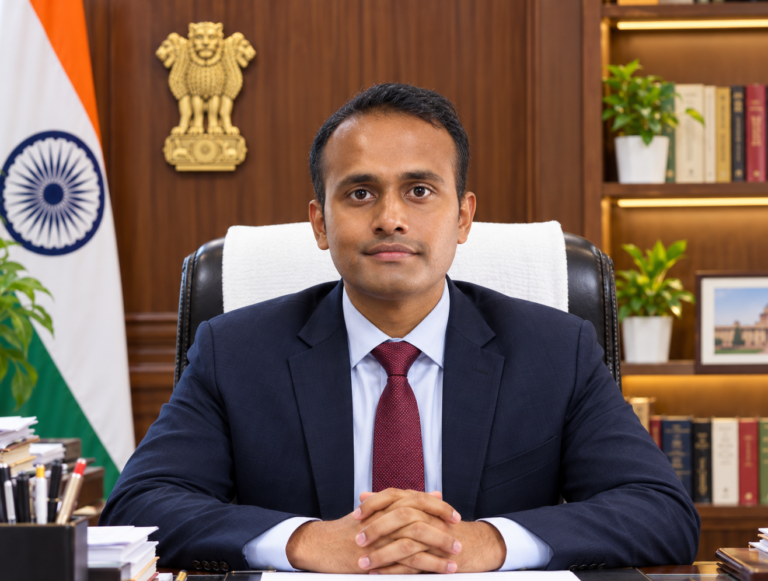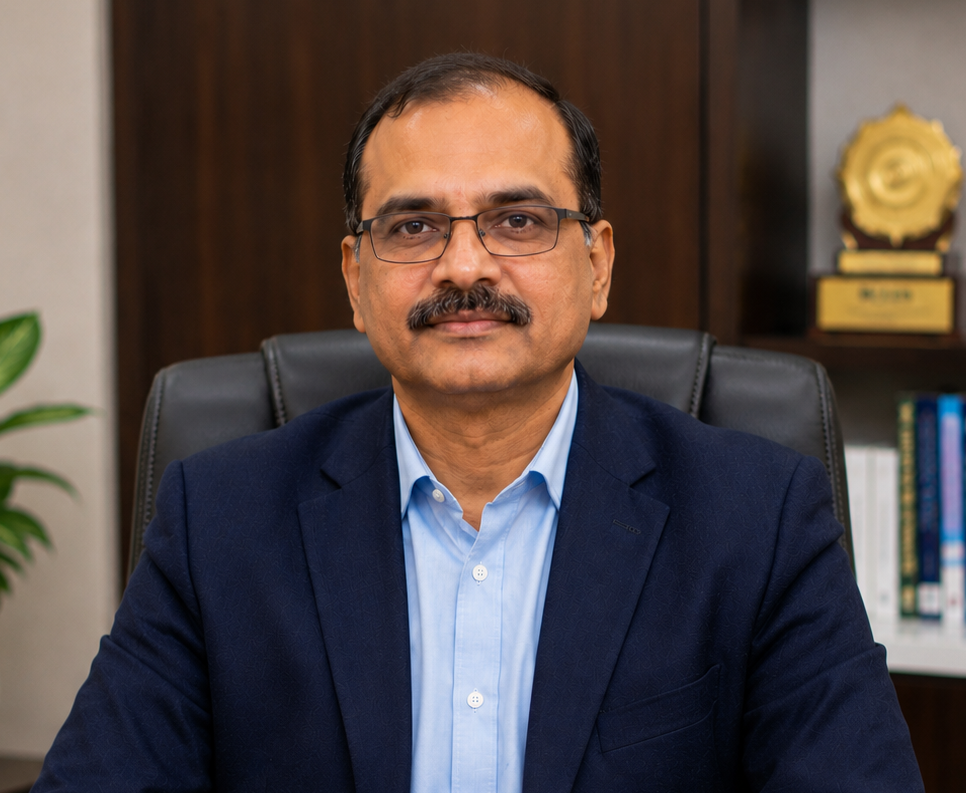
Shri Santosh Kumar Verma, a senior officer of the Indian Administrative Service (IAS) from the 2012 batch, is a prominent figure in Madhya Pradesh’s administrative landscape, known for his deep-rooted connection to the state’s socio-economic fabric. His career, spanning decades within the state’s administrative machinery, reflects a journey dedicated to the principles of social justice, revenue management, and the empowerment of government employees. As a leader who transitioned from the State Civil Services to the prestigious IAS cadre, Shri Verma brings a wealth of grassroots experience to his senior roles.
Early Life and Professional Foundation
Shri Santosh Kumar Verma’s professional journey is a testament to the power of perseverance within the state’s civil services. His early years in the Madhya Pradesh State Administrative Service (SAS) provided him with a robust understanding of the intricacies of local governance and the daily challenges faced by the common citizen. This foundational experience became the cornerstone of his approach to administration, emphasizing accessibility and the effective delivery of government services.
Administrative Ascendancy and Key Roles
Shri Verma’s career is marked by his tenure in several critical departments where he focused on streamlining processes and enhancing organizational efficiency:
- Additional Commissioner (Revenue), Indore: During his time in the commercial hub of Indore, he played a vital role in managing complex revenue matters and land-related administrative functions, contributing to the division’s strategic growth.
- Deputy Secretary, Department of Farmers Welfare and Agricultural Development: In this capacity, he worked toward the implementation of agricultural policies aimed at improving the livelihoods of the farming community across Madhya Pradesh.
- Department of Education: His contributions to the education sector focused on administrative oversight and ensuring that the benefits of educational schemes reached the intended beneficiaries at the primary and secondary levels
Leadership in Community and Employee Welfare
A significant aspect of Shri Santosh Kumar Verma’s professional identity is his commitment to the welfare of government employees, particularly those from marginalized backgrounds. His leadership qualities led to his election as the State President of the Anusuchit Jati and Janjati Adhikari Evam Karmachari Sangh (AJJAKS), one of the state’s largest and most influential employee associations.
In this role, he has been a vocal advocate for:
- Administrative Equity: Ensuring fair representation and opportunities for SC/ST employees within the state bureaucracy.
- Social Dialogue: Promoting a platform where the concerns of government workers can be addressed through constructive dialogue with the administration.
- Policy Advocacy: Working toward the implementation of welfare policies that align with the vision of an inclusive and equitable workforce.
A Vision for Holistic Growth
Shri Verma’s philosophy is centered on the idea that true development is only possible when every section of society, including those serving within the government, feels empowered and protected. His tenure has consistently highlighted the importance of maintaining a strong bridge between the administration and the public, ensuring that governance remains a tool for positive social transformation.
Why is he one of the ‘Stars of MP’?
Shri Santosh Kumar Verma is recognized as one of the ‘Stars of MP’ because he represents the resilient spirit of the state’s administrative cadre. His journey from a state civil servant to a senior IAS officer serves as an inspiration to many within the bureaucracy. By acting as a strong voice for the rights and welfare of thousands of government employees through his leadership in AJJAKS, he has cemented his legacy as a leader who prioritizes social harmony and organizational integrity. His extensive knowledge of Madhya Pradesh’s administrative systems and his dedication to the cause of social justice continue to make him a pivotal figure in the state’s ongoing efforts toward inclusive and balanced growth.
About the Author