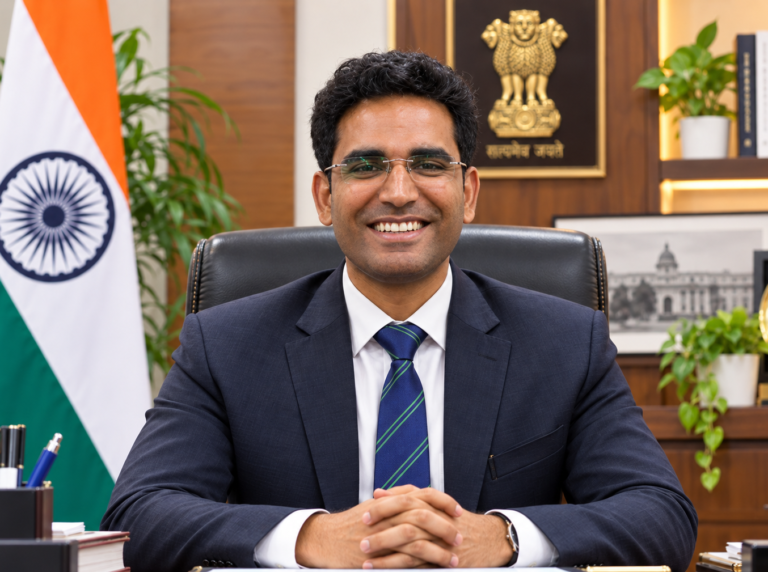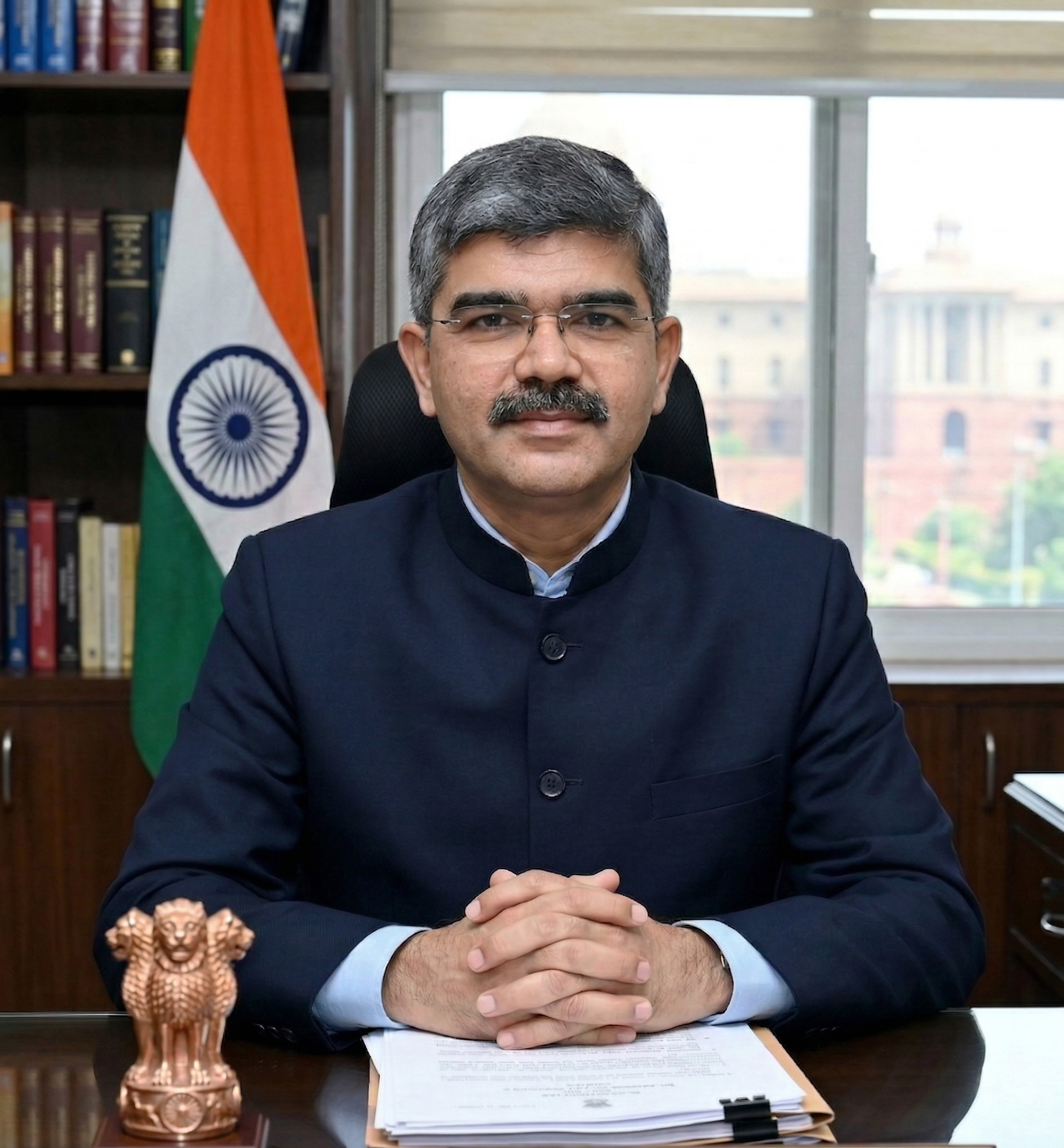
Shri Ajeet Kumar, a distinguished 2002-batch Indian Administrative Service (IAS) officer of the Madhya Pradesh cadre, is widely recognized as one of the most efficient, meticulous, and tech-savvy administrators in the country. Currently serving on central deputation as the Joint Secretary in the Ministry of Women and Child Development, Government of India, Shri Kumar has recently transitioned from a high-stakes role as the Deputy Election Commissioner at the Election Commission of India (ECI). His career is a masterclass in administrative versatility, characterized by his ability to handle complex fiscal portfolios and national-level democratic processes with equal finesse.
Early Life and Academic Foundation
Born with a sharp analytical mind, Shri Ajeet Kumar’s entry into the civil services was underpinned by a strong academic background. Since joining the IAS in 2002, he has been known for his systematic and data-driven approach to governance. His professional journey reflects the rigor of a modern-day administrator who relies on evidence-based policy making and financial discipline. This intellectual depth has made him an indispensable asset in both the state of Madhya Pradesh and the central government in New Delhi.
A Legacy of Reform in Finance and Urban Governance
Shri Kumar’s administrative journey is marked by a series of transformative roles in Madhya Pradesh’s core departments. His tenure in the Finance Department as Director of Budget and later as Secretary of Finance is particularly noteworthy. During these years, he was the primary architect of the state’s budgetary planning, ensuring fiscal sustainability while prioritizing social welfare spending.
His leadership has been pivotal across various key sectors:
- Urban Development & Planning: As the Commissioner of Town & Country Planning in Bhopal, he spearheaded modern urban layouts and streamlined land-use policies, contributing significantly to the planned growth of the state’s capital and major cities.
- Higher Education: As Commissioner and Secretary of Higher Education, he focused on modernizing academic infrastructure and enhancing the quality of vocational training to empower the youth.
- Social Justice: In his role as Mission Director of Social Welfare, he was instrumental in the transparent delivery of pensions and social security schemes, ensuring that government aid reached the state’s most vulnerable citizens without delay.
National Impact: Strengthening Democracy
Recognizing his immense caliber, the Government of India sought his expertise for one of the most prestigious administrative assignments—the Election Commission of India. As the Deputy Election Commissioner, Shri Ajeet Kumar was at the heart of the world’s largest democratic exercise, overseeing the logistical and technical complexities of conducting fair and transparent elections. His commitment to electoral integrity and the use of technology to enhance voter participation earned him widespread respect across the national bureaucratic fraternity.
Today, in his current capacity at the Ministry of Women and Child Development, he continues to leverage his vast experience to draft national policies that empower women and safeguard child rights, aligning with India’s vision of inclusive development.
Visionary Leadership and Public Trust
Shri Ajeet Kumar is known among his colleagues for his “low-profile, high-impact” work ethic. Whether serving as the District Collector of Seoni, Panna, or Shahdol, he always maintained a proactive interface with the public. His tenure in Seoni is still remembered for his focus on rural health and administrative transparency. He is a leader who believes in the power of institutional building, ensuring that every department he leads becomes more efficient and citizen-friendly.
Why is he one of the ‘Stars of MP’?
Shri Ajeet Kumar is one of the ‘Stars of MP’ because he represents the modern face of the Indian bureaucracy—highly professional, strategically gifted, and deeply committed to the welfare of the common man. His journey from being a dedicated district administrator in the heartlands of Madhya Pradesh to a key figure in national-level democratic and social policy is an inspiration. His ability to navigate the intricacies of state finance and national elections with absolute integrity makes him a true icon of governance and progress.
About the Author