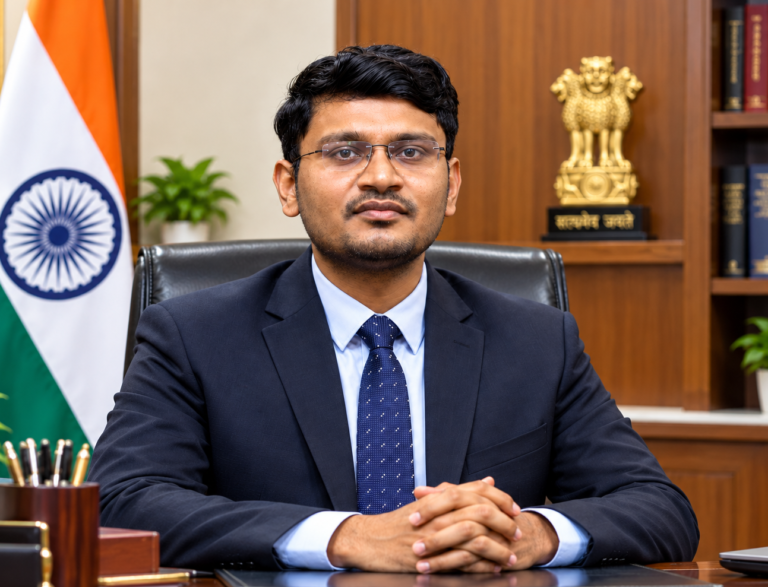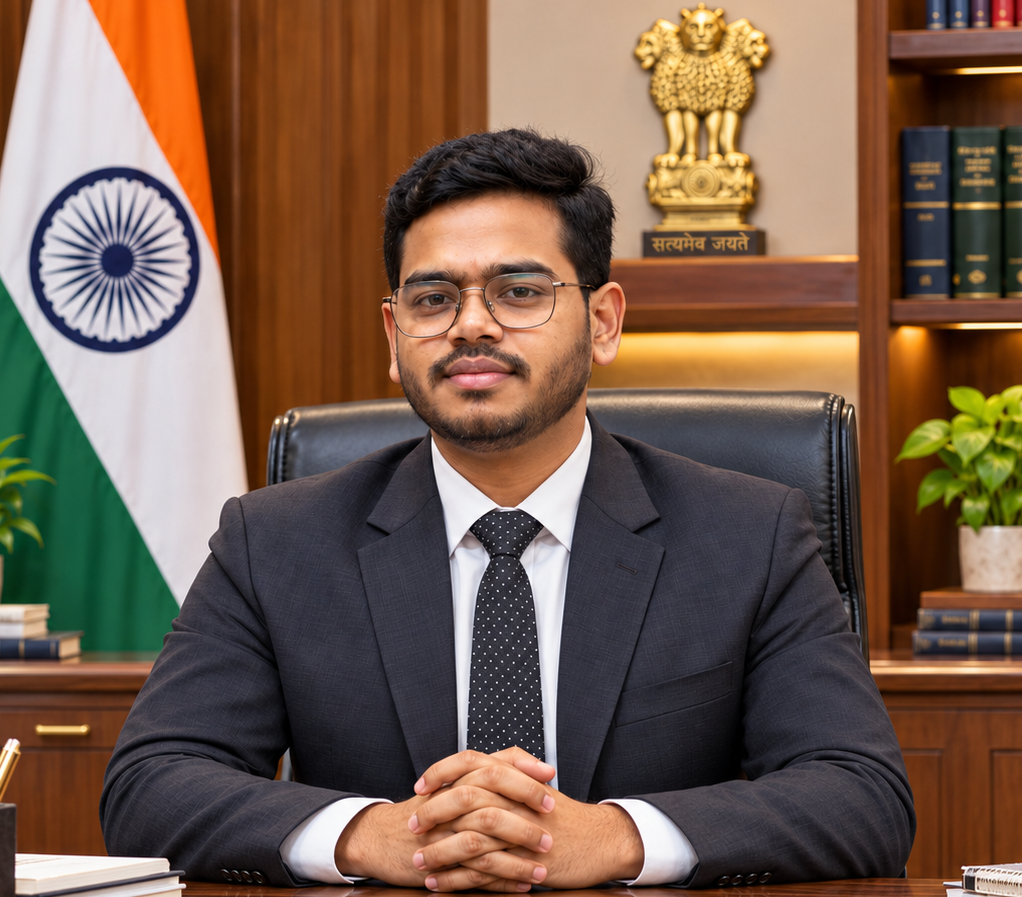
Shri Thakre Rishikesh Vijay, a 2024-batch Indian Administrative Service (IAS) officer of the Madhya Pradesh cadre, is developing his administrative career through grassroots engagement, public welfare, and institutional accountability. Born on November 4, 1996, in Maharashtra, he joined the IAS on August 26, 2024. Currently serving as Sub-Divisional Magistrate (SDM), Bijawar, Chhatarpur, he oversees revenue administration, public grievances, and developmental coordination, with particular attention to the needs of rural communities.
Early Life and Academic Pursuits
Originally from Maharashtra, Shri Thakre pursued a Bachelor of Technology (B.Tech.), developing analytical and problem-solving skills through his engineering education. Motivated to pursue a career in public administration, he prepared for the Civil Services Examination and secured All India Rank 224 in UPSC CSE 2023. His academic journey and successful transition into the Indian Administrative Service reflect perseverance, focused preparation, and a commitment to serving society.
Professional Genesis and Ascendancy
Shri Thakre began his administrative career as Assistant Collector in Damoh in April 2025, gaining practical experience in district governance, revenue administration, and coordination of public welfare programmes. His initial assignment provided exposure to government institutions and the challenges of grassroots service delivery.
In August 2026, he assumed charge as SDM, Bijawar, Chhatarpur, expanding his responsibilities in revenue management, citizen grievance redressal, and rural development. His subsequent field initiatives have emphasized administrative accessibility, institutional accountability, and assistance to underserved communities.
Administrative Tenure: Strengthening Rural Welfare and Responsible Governance
Shri Thakre’s administrative approach places importance on direct community engagement, transparent procedures, and timely attention to public concerns. His work reflects an effort to strengthen essential services, protect public resources, and make administration more accessible.
1. Rural Outreach and Welfare Accessibility
In Bijawar, Shri Thakre travelled by boat and tractor to reach Khariyani village, affected by the Ken–Betwa Link Project, and personally heard residents’ concerns. Through a special administrative camp offering health examinations and welfare assistance, he encouraged coordination among departments to improve access to essential services for remote communities.
2. Revenue Transparency and Administrative Accountability
Shri Thakre emphasized integrity in revenue administration by initiating disciplinary action following complaints concerning land-record irregularities and official misconduct. His intervention in Bijawar highlighted the importance of procedural transparency, responsible land management, and accountability in protecting citizens’ interests and strengthening public confidence.
3. Public Healthcare Infrastructure and Institutional Oversight
In Satai, Shri Thakre sought a formal explanation from municipal authorities following the demolition of a government doctor’s residence within a hospital complex. His intervention emphasized due process, interdepartmental accountability, and responsible management of public infrastructure, particularly facilities supporting essential healthcare services.
4. Community Healthcare and Social Responsibility
During his Damoh tenure, Shri Thakre actively participated in a voluntary blood-donation initiative, personally donating blood alongside young volunteers. His participation demonstrated the value of civic engagement and encouraged a spirit of collective responsibility toward healthcare and community welfare.
A Visionary Outlook
Shri Thakre Rishikesh Vijay’s administrative outlook combines engineering-based analytical understanding with practical field experience. His engagement with remote communities, revenue accountability, healthcare infrastructure, and social welfare reflects the importance of accessible and responsible governance. By emphasizing direct public interaction and institutional coordination, he contributes to Madhya Pradesh’s broader vision of inclusive development and efficient public administration.
Why is he one of the ‘Stars of MP’?
Shri Thakre Rishikesh Vijay’s journey from engineering education to the Indian Administrative Service reflects perseverance, intellectual discipline, and a commitment to public service. His willingness to reach remote villages, strengthen revenue accountability, safeguard public infrastructure, and participate personally in community healthcare initiatives highlights his developing contribution to grassroots governance. Through his emphasis on public accessibility, institutional integrity, and community welfare, he is building a promising administrative career dedicated to the development of Madhya Pradesh.
About the Author