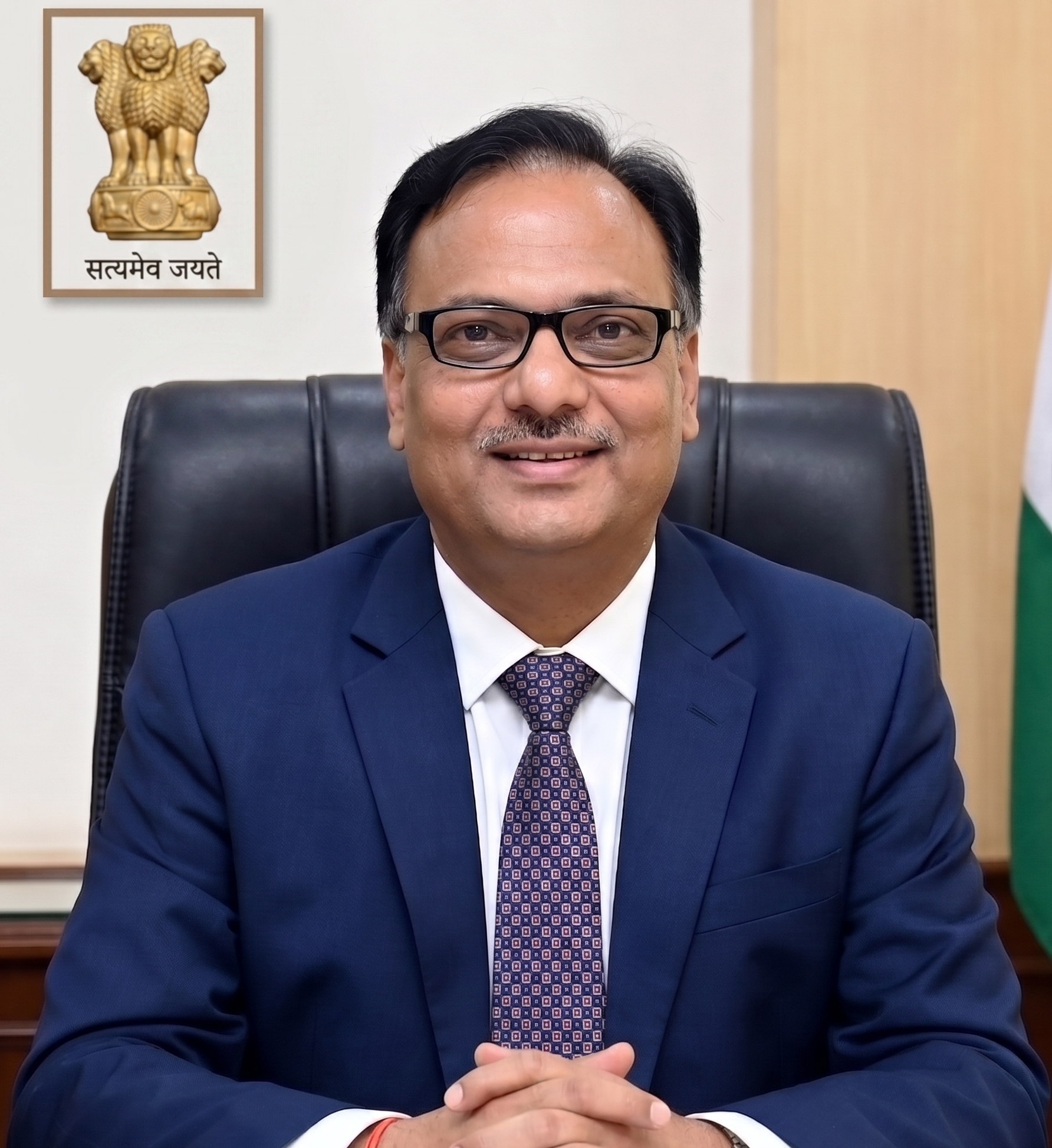
Shri Lalit Kumar Dahima, a distinguished officer of the 2008 batch of the Indian Administrative Service (IAS), Madhya Pradesh cadre, represents the quintessential spirit of public service. With a career spanning nearly two decades, Shri Dahima has become synonymous with administrative stability, transparency, and a deeply rooted commitment to the welfare of the common man. Currently serving as a Member of the Revenue Board in Gwalior, he continues to play a pivotal role in the state’s governance, ensuring that the wheels of justice and administration turn efficiently for every citizen.
Early Life and Academic Foundation
Shri Lalit Kumar Dahima’s journey into the civil services was paved with academic excellence and a rigorous understanding of the socio-economic landscape of India. As a member of the 2008 IAS batch, his entry into the elite service marked the beginning of a dedicated effort to bring about systemic improvements in the various districts and departments he has served. His educational background provided him with the analytical tools necessary to tackle complex administrative challenges, from rural development in tribal belts to high-level policy implementation in the state secretariat.
A Journey of Diverse Leadership Roles
Throughout his illustrious career, Shri Dahima has held several critical positions that showcase his versatility as an administrator. His tenure as the Collector of Shahdol District is often cited as a period of significant progress for the region. During this time, he was instrumental in bridging the gap between the government and the tribal communities, ensuring that the benefits of state and central schemes reached the most remote corners of the district.
His administrative acumen was further recognized when he was appointed as Secretary of the Jail Department, where he focused on the modernization of correctional facilities and the welfare of inmates, aligning the department with national human rights standards. Additionally, his stint as Secretary of the Cottage and Village Industries Department highlighted his vision for economic decentralization, where he worked tirelessly to empower local artisans and boost small-scale industries, which are the backbone of Madhya Pradesh’s rural economy.
Key Initiatives and Administrative Impact
Shri Dahima is known for his “Sushasan” (Good Governance) approach, characterized by accessibility and accountability. In his various roles, he has consistently prioritized:
- Revenue Management and Judicial Efficiency: In his current capacity as a Member of the Revenue Board, he has been proactive in streamlining land-related legal processes, reducing pendency, and ensuring that farmers and landowners receive fair and timely resolutions to their grievances.
- Tribal and Rural Development: In districts like Shahdol, his focus on health, education, and infrastructure transformed the lives of many, earning him the respect of the local populace.
- Institutional Reforms: Whether in the Jail Department or the Secretariat, he has implemented digital interventions to increase transparency and reduce bureaucratic delays.
Visionary Outlook
Aligning with the vision of the Madhya Pradesh government to create a “Viksit Madhya Pradesh” (Developed MP), Shri Dahima believes in the power of empathetic governance. His leadership style is not merely about executing orders but about understanding the pulse of the people. He has often emphasized that the success of a civil servant lies in their ability to make the government’s presence felt as a supportive force in a citizen’s life.
His tenure in the General Administration Department and various secretariats has seen him contributing to policy frameworks that prioritize inclusive growth. By fostering a culture of discipline and innovation, he has set a benchmark for his peers and subordinates alike.
Why is he one of the ‘Stars of MP’?
Shri Lalit Kumar Dahima’s career is a testament to the fact that silent, dedicated work can create a profound impact on society. He is one of the ‘Stars of MP’ not just because of the high offices he has held, but because of the integrity and compassion he brings to them. His ability to navigate complex administrative landscapes while keeping the welfare of the weakest sections of society at the forefront makes him a role model for aspiring civil servants.
From the tribal heartlands of Shahdol to the hallowed halls of the Revenue Board in Gwalior, his journey reflects the spirit of a “Karmayogi”—one whose actions are guided by duty and the higher purpose of nation-building. Under the dynamic leadership of the current state administration, officers like Shri Dahima are the pillars upon which the future of a prosperous Madhya Pradesh is being built.
About the Author