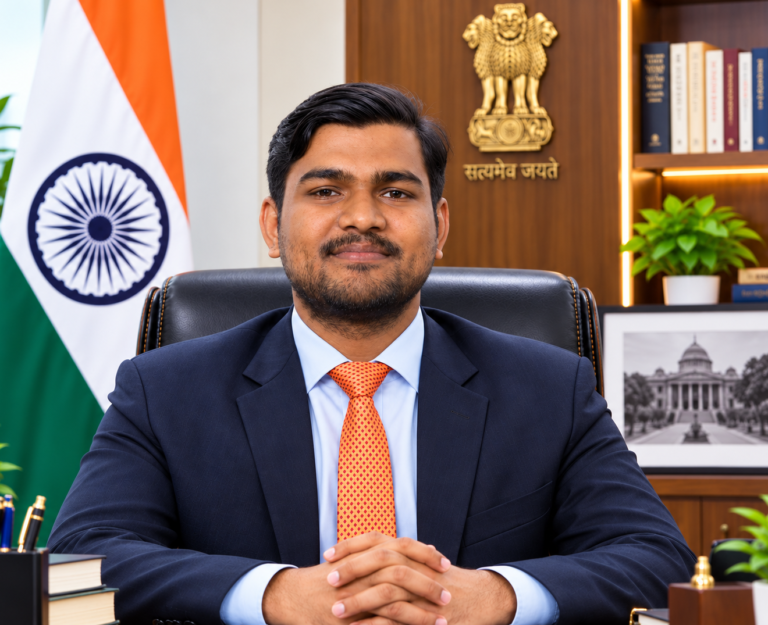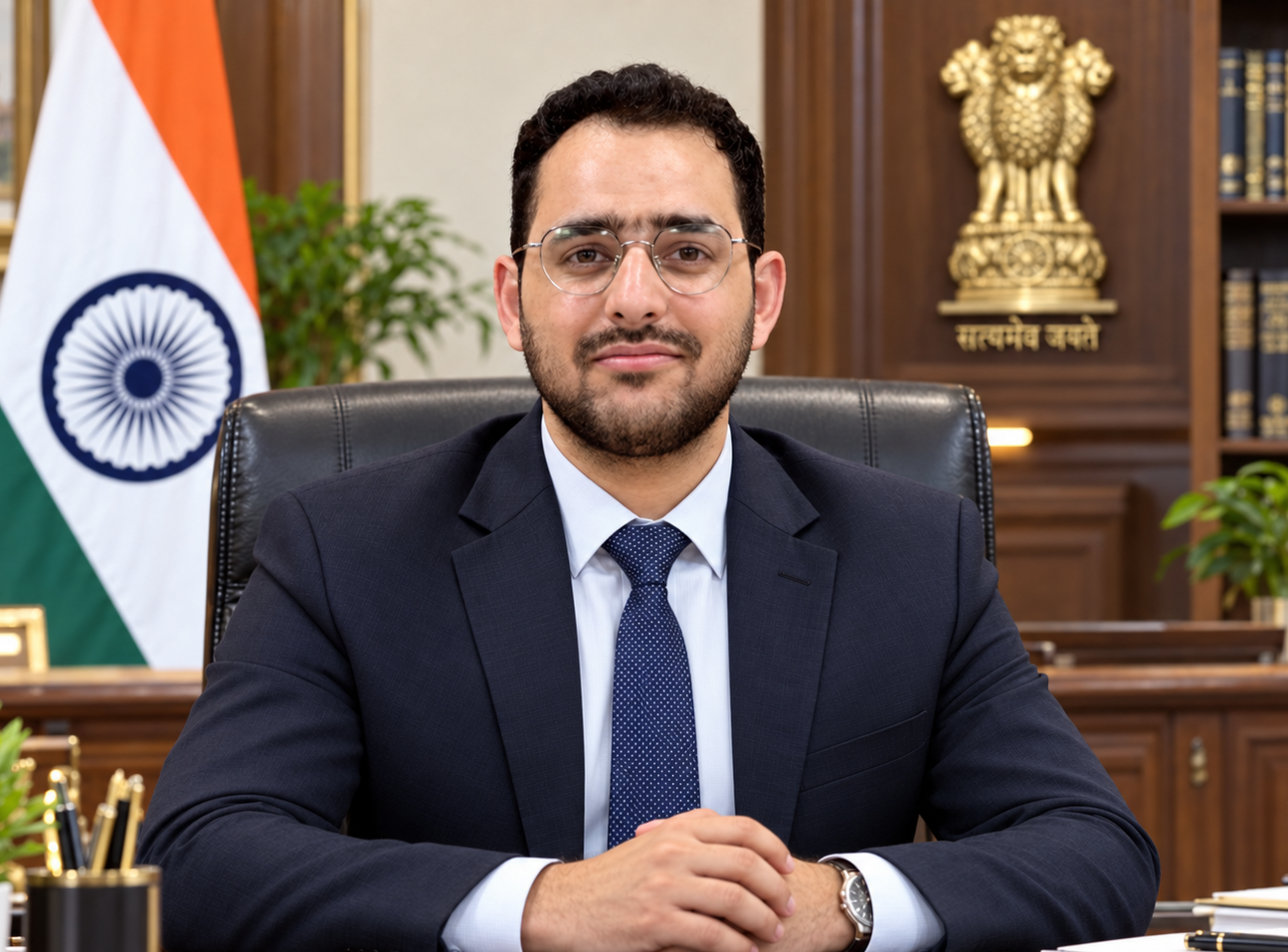
Shri Waseem Ahmad Bhat, a 2023-batch Indian Administrative Service (IAS) officer of the Madhya Pradesh cadre, brings technical knowledge and a community-oriented approach to public administration. Born on September 25, 1998, in Jammu and Kashmir, he joined the IAS on August 1, 2023. Currently serving as Sub-Divisional Magistrate (SDM), Pushprajgarh, Anuppur, he contributes to civic development, public welfare, and sustainable management of the Amarkantak region.
Early Life and Academic Pursuits
Originally from Doru in Anantnag district, Jammu and Kashmir, Shri Bhat earned a B.Tech. in Civil Engineering from the National Institute of Technology (NIT), Srinagar, in 2019. Encouraged by his family, he pursued civil services, initially securing AIR 225 in UPSC CSE 2020 and joining the Indian Revenue Service. Determined to improve, he subsequently achieved All India Rank 7 in UPSC CSE 2022 on his third attempt. His journey highlights perseverance, disciplined preparation, and a clear sense of public purpose.
Professional Genesis and Ascendancy
Shri Bhat began his administrative career as Assistant Collector in Dhar in April 2024, gaining foundational experience in revenue administration, district governance, and public service delivery. In August 2025, he assumed charge as SDM, Pushprajgarh, Anuppur, taking responsibility for revenue management, civic administration, and developmental coordination. His jurisdiction encompasses Amarkantak, a prominent pilgrimage and ecological destination, where balancing community needs with sustainable development remains an important administrative priority.
Administrative Tenure: Strengthening Civic Responsibility and Inclusive Governance
Shri Bhat’s administrative approach emphasizes public participation, transparent decision-making, and effective coordination. His initiatives demonstrate an interest in strengthening civic services, protecting local livelihoods, and promoting responsible development.
1. Environmental Conservation and Civic Management
In Amarkantak, Shri Bhat supported efforts to improve civic cleanliness and essential public amenities. Through inspections and coordination with municipal authorities, he emphasized sanitation, orderly public spaces, and improved facilities around commercial areas, contributing to efforts to preserve the pilgrimage town’s environmental and cultural significance.
2. Women’s Safety and Responsible Tourism
Shri Bhat chaired a review meeting under the Safe Tourist Destinations for Women initiative, emphasizing better lighting, transportation, public amenities, and accessible safety information. His directions highlighted the importance of coordinated administration in creating a secure and welcoming environment for women and visitors to Amarkantak.
3. Community Engagement and Local Livelihoods
Demonstrating a consultative approach, Shri Bhat engaged with traders and transport operators to address local concerns. His role in resolving a dispute between taxi operators from Amarkantak and neighbouring Chhattisgarh helped restore transport arrangements, illustrating the importance of constructive dialogue in protecting livelihoods and public convenience.
4. Transparency and Institutional Accountability
Shri Bhat headed a committee entrusted with the physical verification of gold and silver ornaments belonging to the Shri Narmada Udgam Trust. The systematic examination and reconciliation of records reinforced procedural transparency, responsible management of cultural assets, and institutional accountability.
A Visionary Outlook
Shri Waseem Ahmad Bhat’s administrative outlook combines technical understanding with grassroots engagement and environmental responsibility. His work in civic management, tourism safety, community coordination, and institutional oversight demonstrates the value of collaborative governance. Through these responsibilities, he contributes to efforts toward sustainable development and responsive public administration in Madhya Pradesh.
Why is he one of the ‘Stars of MP’?
Shri Waseem Ahmad Bhat’s journey from Kashmir to achieving a distinguished national rank in the Civil Services Examination stands as an example of perseverance and purposeful ambition. His contributions to civic improvement, women’s safety, peaceful dispute resolution, and institutional transparency demonstrate an emerging commitment to people-centric governance. With his analytical approach, community engagement, and dedication to responsible administration, he represents the promise of a new generation of civil servants serving Madhya Pradesh.
About the Author