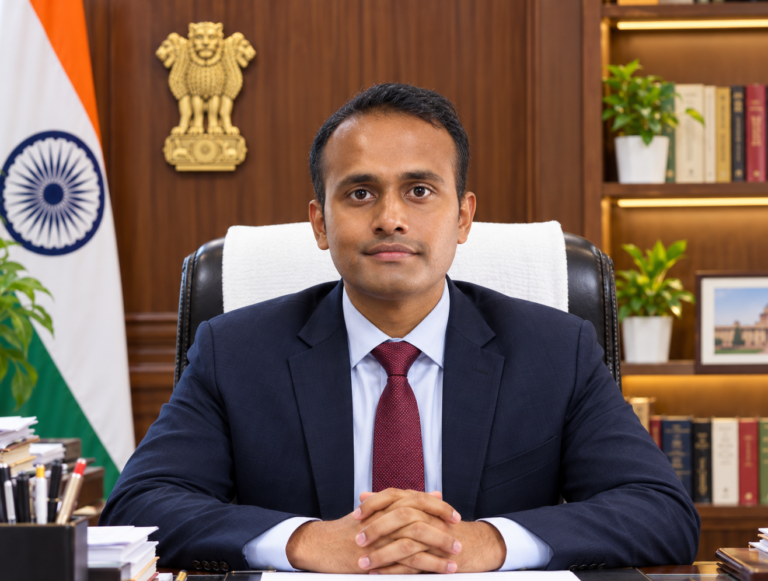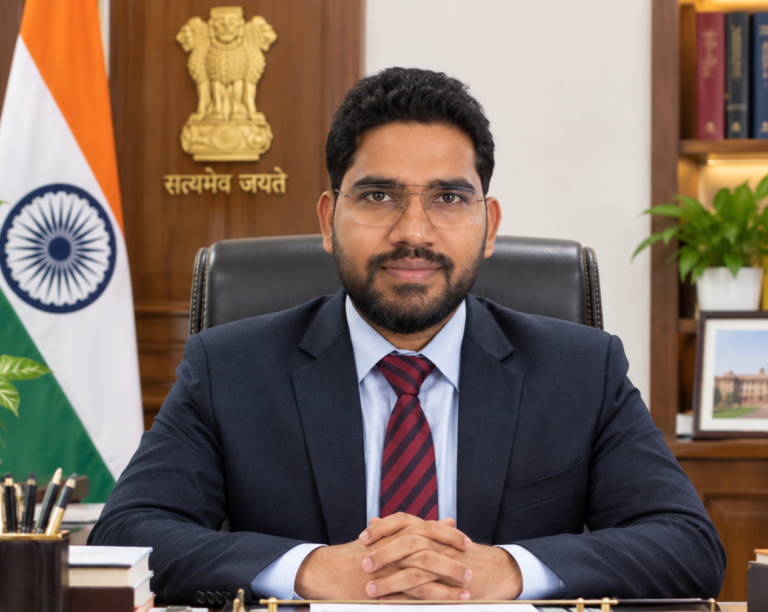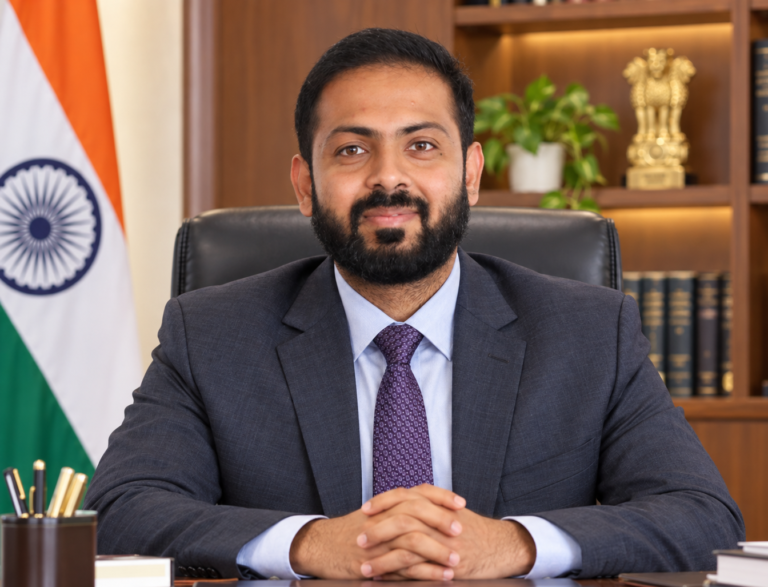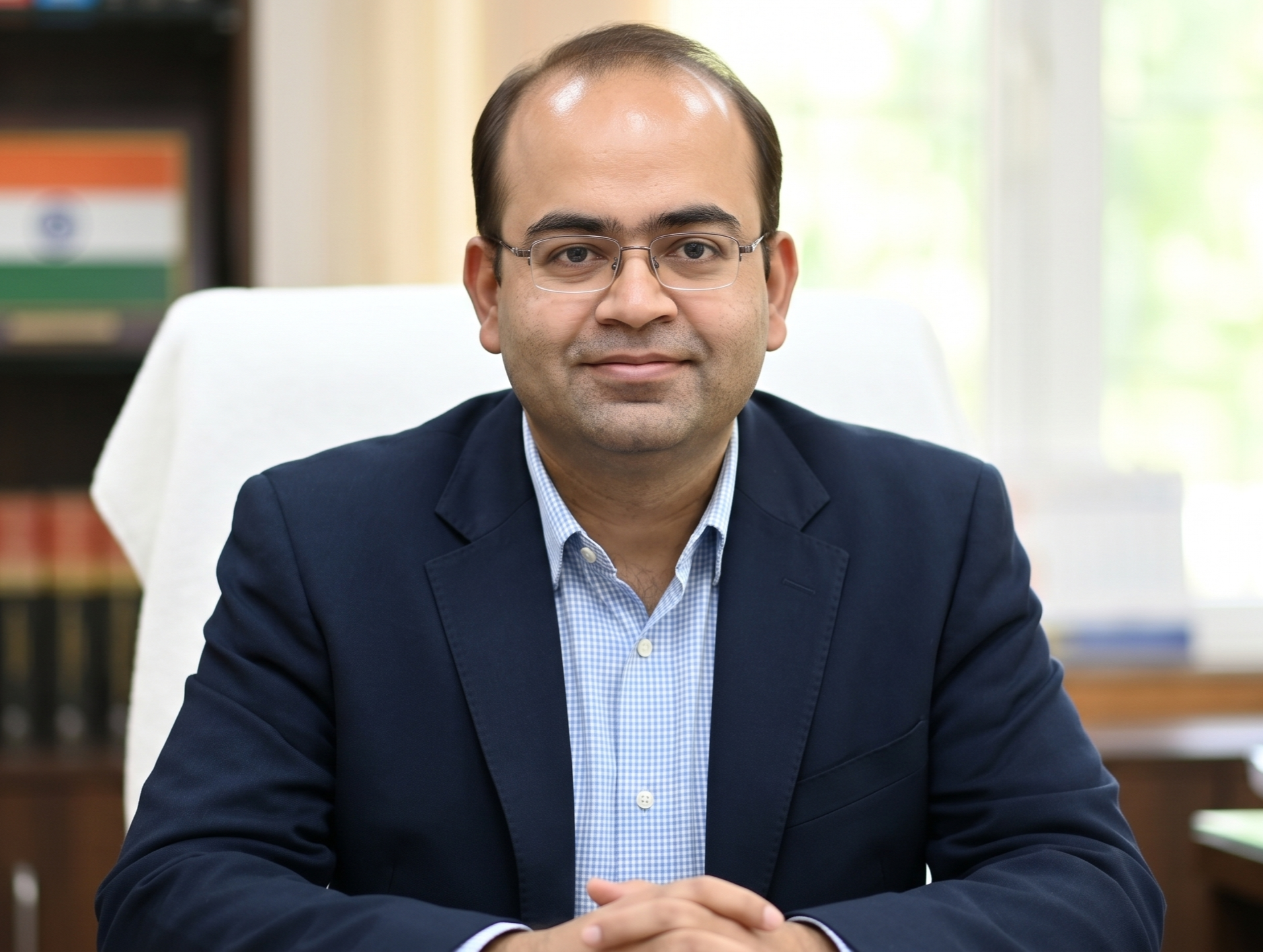
Shri Chandra Mohan Thakur, a distinguished officer of the 2012 Indian Administrative Service (IAS) batch (Regular Recruit), represents the new age of Indian bureaucracy—one that seamlessly blends technical expertise with empathetic governance. Currently serving as the Deputy Secretary in the Prime Minister’s Office (PMO) in New Delhi, Shri Thakur has emerged as one of Madhya Pradesh’s most efficient and respected administrative exports to the national level. Born on January 3, 1983, in Jharkhand, his journey is a testament to how academic brilliance and a “citizen-first” approach can drive meaningful change in public service.
Early Life and Academic Excellence
Shri Thakur’s administrative style is anchored in his solid technical foundation. He holds a Bachelor of Technology (B.Tech) in Mechanical Engineering, a discipline that has clearly influenced his data-driven and logical approach to solving complex societal problems. This engineering background has allowed him to implement innovative technological solutions throughout his career, ensuring that administrative processes are not only faster but also more transparent and accessible to the common man.
Administrative Genesis and Ascendancy
Inducted into the IAS on September 3, 2012, Shri Thakur’s career in Madhya Pradesh has been characterized by a rapid ascent through critical roles. From his early days as an Assistant Collector in Mandla to his tenures as a District Collector, he has consistently displayed a knack for handling sensitive portfolios with calm and decisive leadership. His versatility is evident in his transition from field-based district administration to specialized state-level roles and, ultimately, to the highest echelons of national governance.
A Legacy of Transformation: Key Administrative Initiatives
Throughout his service in Madhya Pradesh, Shri Thakur has spearheaded several transformative initiatives that have left a lasting impact on the lives of citizens:
- “Tea with CMT” (Sehore): During his tenure as Collector of Sehore (2021–2022), he launched the innovative “Tea with CMT” program. This initiative broke the traditional barriers between the bureaucrat and the public, allowing citizens to discuss their grievances and suggestions in a friendly, informal setting.
- Environmental Stewardship: As the Member of the M.P. Pollution Control Board and Deputy Secretary in the Environment Department, he worked tirelessly to balance industrial growth with ecological preservation, emphasizing sustainable development for the state.
- Infrastructure Development: As the Managing Director of the M.P. Building Development Corporation, he oversaw the execution of high-priority infrastructure projects, ensuring they were completed with technical precision and fiscal accountability.
- Strategic Crisis Management: In his current role at the PMO, he has been involved in managing high-level national concerns, including visiting Sikkim in 2025 to discuss Glacial Lake Outburst Flood (GLOF) risks and disaster preparedness, showcasing his ability to handle complex ecological and security challenges at a national scale.
A Visionary Outlook
Shri Chandra Mohan Thakur’s administrative philosophy is built on the pillars of innovation, transparency, and grassroots connectivity. He envisions a “Viksit Bharat” (Developed India) where technology serves as the ultimate equalizer, ensuring that government services reach the last person in the queue. His approach integrates his mechanical engineering precision with a deep-seated empathy for the rural and marginalized populations, making him a truly modern administrator who leads with both his head and his heart.
Why is he one of the ‘Stars of MP’?
Shri Chandra Mohan Thakur’s evolution from a dedicated district officer in Madhya Pradesh to a key member of the Prime Minister’s Office is a source of immense pride for the state. He is recognized as one of the “Stars of MP” because he represents the pinnacle of professional excellence and integrity. Whether it was his approachable “Tea with CMT” sessions or his current high-stakes role in New Delhi, his work reflects a relentless pursuit of excellence and a commitment to national progress. His leadership continues to inspire a new generation of civil servants, proving that the heart of governance lies in the service of the people.
About the Author