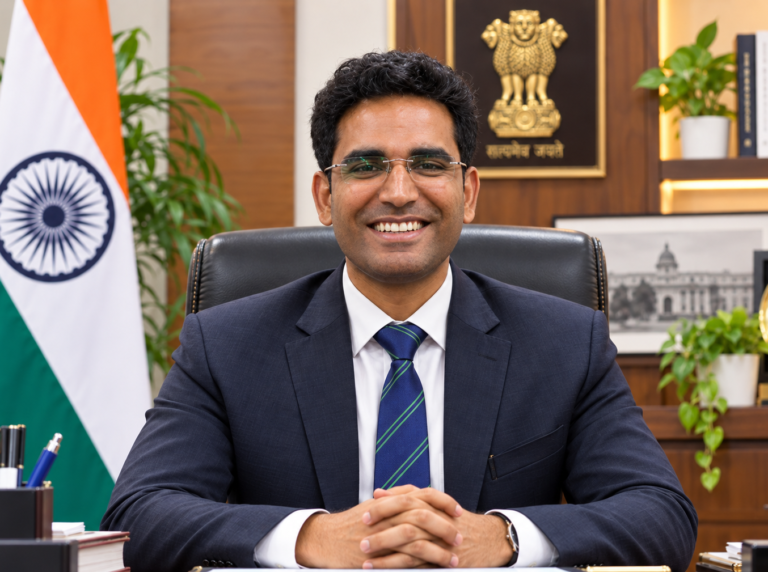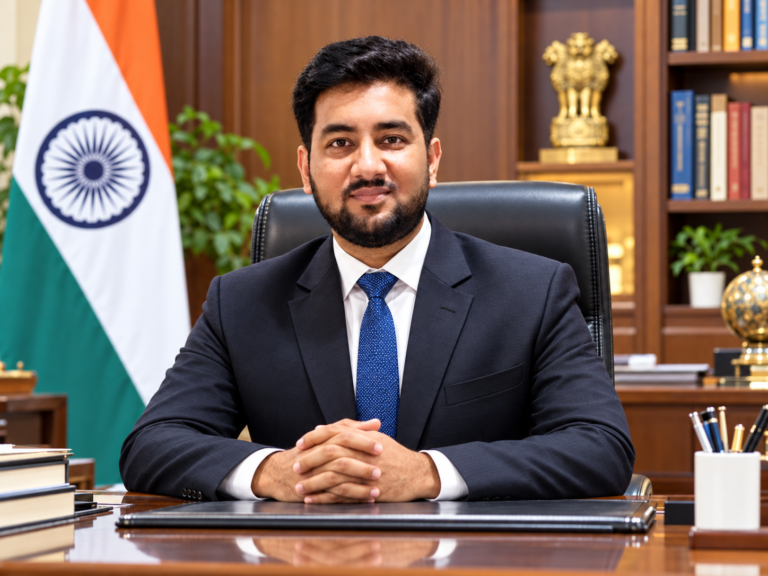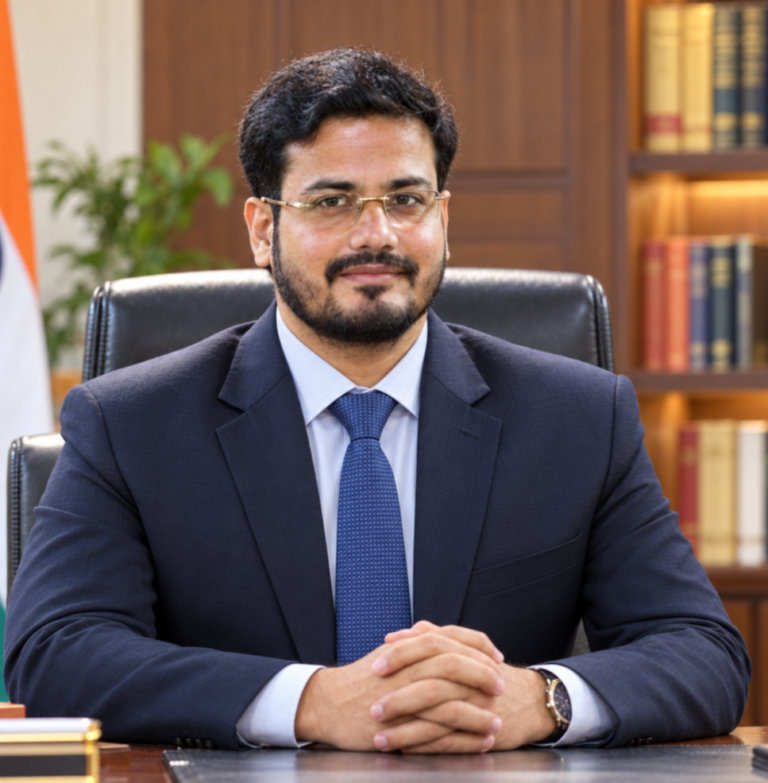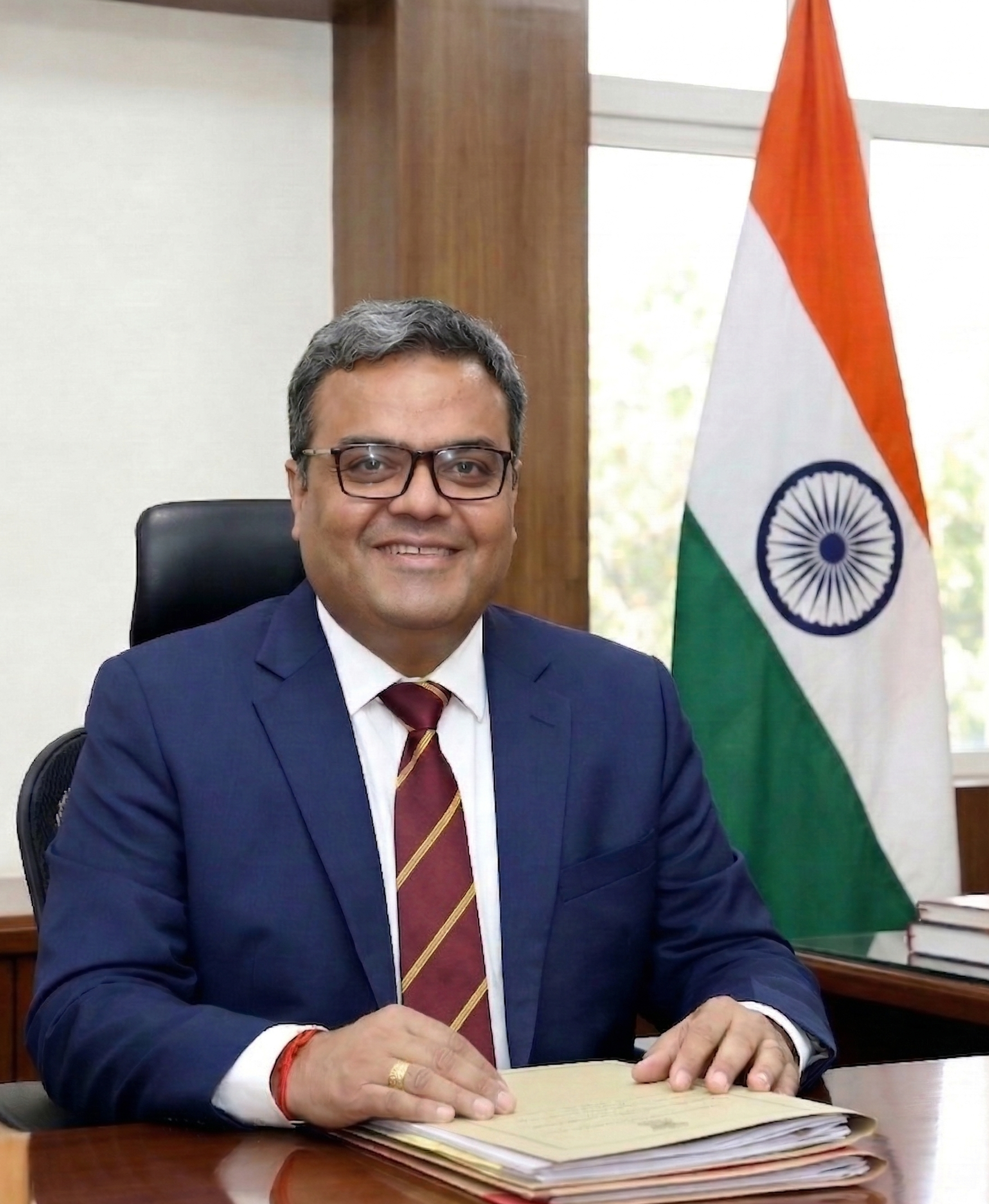
Dr. Pawan Kumar Sharma, a distinguished 1999-batch Indian Administrative Service (IAS) officer of the Madhya Pradesh cadre, is widely regarded as one of the most efficient and versatile administrators in the country. Currently serving as the Deputy Election Commissioner in the Election Commission of India (ECI), Dr. Sharma has transitioned from being a pillar of Madhya Pradesh’s state administration to a key architect of national democratic processes. Known for his technical precision, firm leadership, and unwavering commitment to public service, he has left an indelible mark on every district and department he has headed.
Early Life and Academic Excellence
Born on August 30, 1973, Dr. Pawan Kumar Sharma’s journey into the civil services was defined by a stellar academic record that blends technical expertise with legal knowledge. He holds both a Bachelor of Engineering (B.E.) and a Master of Engineering (M.E.) from the prestigious Delhi Technological University (DTU). His quest for holistic understanding led him to also earn an LL.B. from Jiwaji University, Gwalior. This rare combination of engineering logic and legal acumen has made him a formidable “problem-solver” capable of navigating complex technical and administrative landscapes with ease.
Career Milestones and Administrative Impact
Dr. Sharma’s career in Madhya Pradesh is characterized by high-stakes assignments where he consistently delivered results. He served with distinction as the District Collector of Chhindwara and Damoh, where he was praised for his focus on rural development and grassroots grievance redressal.
His leadership shone brightest in the state’s key urban centers:
- The Indore Transformation: As the Divisional Commissioner of Indore and the Administrator of the Indore Municipal Corporation, he played a critical role in maintaining Indore’s status as India’s cleanest city. His tenure was marked by a push for infrastructure modernization and the successful management of the city’s complex administrative needs during the global pandemic.
- Bhopal Divisional Commissioner: Before his move to New Delhi, he served as the Divisional Commissioner of Bhopal, where he was known as a disciplined taskmaster. He gained public trust by conducting surprise inspections and taking strict action against administrative negligence, ensuring that government services remained transparent and citizen-friendly.
- Specialized Expertise: His versatility is further reflected in his roles as the Commissioner of Commercial Taxes, Secretary of the MP Public Service Commission (MPPSC), and his leadership in the Narmada Valley Development Authority.
A Stalwart on the National Stage
Recognizing his immense caliber, the Government of India sought his expertise for critical national roles. Before his current assignment at the Election Commission, he served as Additional Secretary and Joint Secretary in the Ministry of Defence. In these roles, he was instrumental in handling sensitive policy matters and strengthening India’s institutional framework.
In September 2025, his appointment as Deputy Election Commissioner marked a significant milestone, placing him at the heart of the world’s largest democratic exercise. His focus on transparency, voter participation, and the use of technology to safeguard electoral integrity has been widely appreciated.
Visionary Leadership and Public Trust
Dr. Pawan Kumar Sharma is known in the bureaucratic fraternity for being “strictly professional” yet deeply empathetic to the needs of the common citizen. He is an officer who believes in accountability and has never hesitated to take tough decisions to ensure the welfare of the public. His proactive approach to governance—whether it was managing land revenue in Bhopal or leading international defense dialogues—reflects a leader who is always prepared for the challenges of a modernizing India.
Why is he one of the ‘Stars of MP’?
Dr. Pawan Kumar Sharma is one of the ‘Stars of MP’ because he represents the pinnacle of administrative professionalism. From the academic halls of DTU to the highest echelons of the Election Commission of India, his journey is a testament to integrity and excellence. His ability to transform urban landscapes like Indore and Bhopal and his current role in protecting the sanctity of Indian democracy make him a source of immense pride for Madhya Pradesh. He continues to set a benchmark for how an IAS officer can serve as a catalyst for progress, transparency, and national strength.
About the Author